

Understanding the Role of a Canada Extradition Lawyer
When facing legal challenges that span international borders, the expertise of a Canada extradition lawyer https://otbsd.com/articles/canada-extradition-lawyer-how-legal-support-works-in-cross-border-cases.html becomes invaluable. Extradition is a complicated legal process that involves various jurisdictions, treaties, and legal standards. To effectively navigate this terrain, it is crucial to have a knowledgeable legal representative at your side to ensure your rights are protected and to facilitate the complexities of extradition law.
What is Extradition?
Extradition is the process whereby one jurisdiction surrenders an individual to another jurisdiction for prosecution or punishment. This process typically involves international treaties and requires a legal framework between countries. In Canada, the extradition process is codified in the Extradition Act, which outlines the legal mechanism under which Canada can extradite individuals accused or convicted of crimes in another country.
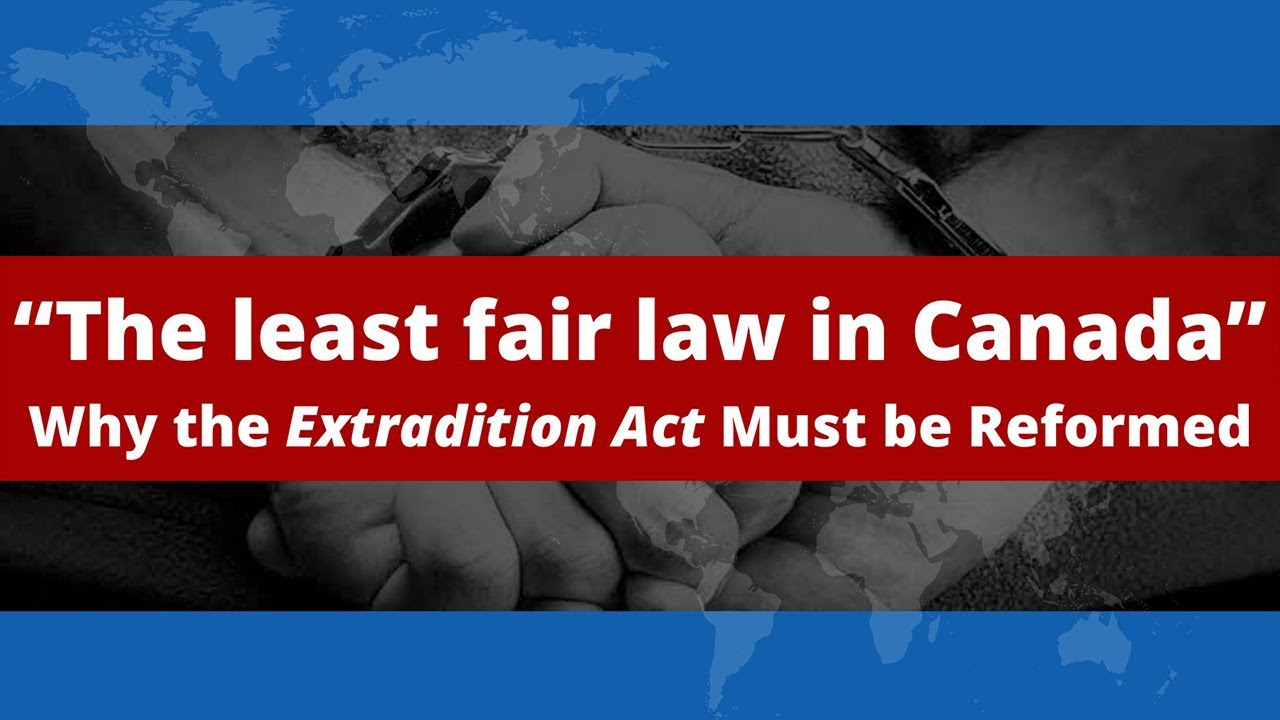
The Extradition Process in Canada
The extradition process can begin when a foreign government submits a formal request for extradition to the Canadian authorities. Once the request is received, the Canadian government must first determine whether the requeste

d individual is eligible for extradition under the relevant laws and treaties.
The following are essential steps in the Canadian extradition process:
- Initiation of Request: The foreign government sends a formal request to the Canadian government, backed by evidence of the alleged crime.
- Assessment of the Request: The Canadian authorities evaluate the request to ensure it complies with Canadian laws, including the principle of double criminality, which requires that the act for which extradition is sought is a crime in both jurisdictions.
- Judicial Review: The case then moves to the courts, where a judge will assess the validity of the extradition request and determine whether it meets the established legal criteria.
- Decision: If the judge approves the extradition, the final decision rests with the Minister of Justice, who has discretionary power to grant or deny the request.
Why You Need a Canada Extradition Lawyer
Given the complexity and high stakes of extradition cases, having a dedicated Canada extradition lawyer is crucial for several reasons:
- Understanding Legal Frameworks: Extradition laws are intricate, often requiring knowledge of both Canadian and international laws. A specialized lawyer can navigate these complexities with ease.
- Protection of Rights: A competent lawyer ensures your legal rights are upheld throughout the extradition process, making sure you receive fair treatment under the law.
- Building a Defense: A lawyer experienced in extradition cases can develop a robust defense strategy, identifying potential legal grounds to challenge the extradition and protect your interests.
- Negotiating with Authorities: An extradition lawyer can also negotiate on your behalf with both Canadian and foreign authorities, potentially resulting in a more favorable outcome.
Factors to Consider When Choosing an Extradition Lawyer
Choosing the right Canada extradition lawyer is critical to the success of your case. Here are several factors to consider:
- Experience: Look for a lawyer with proven experience in extradition cases specifically. Their background can greatly influence the outcome of your case.
- Specialization: It is beneficial to select a lawyer who specializes in international law and has substantial knowledge regarding extradition treaties and processes.
- Reputation: Research the lawyer’s reputation within the legal community and among past clients. Positive reviews and testimonials can provide insight into their effectiveness and ethical standards.
- Consultation: Most lawyers offer initial consultations. Take advantage of this opportunity to discuss your case and gauge the lawyer’s expertise and compatibility with your needs.
Potential Outcomes of Extradition Cases
The outcomes of extradition cases can vary significantly based on the circumstances of each case. Some possible outcomes include:
- Extradition Granted: If the court finds the extradition request valid, the individual may be extradited to face charges in the requesting country.
- Extradition Denied: If the court identifies grounds for denial, such as a lack of dual criminality or the risk of unfair treatment, the extradition may be refused.
- Negotiated Settlement: Sometimes, the parties may reach an agreement, such as a plea deal or reduced charges, avoiding the need for extradition.
Final Thoughts
Extradition is a complex area of law that requires expertise and experience. Whether you are facing extradition or are concerned about the process, hiring a qualified Canada extradition lawyer is vital. They will guide you through the legal complexities involved in your case, help protect your rights, and work toward achieving the best possible outcome for your situation.
Understanding the extradition process and having a skilled lawyer on your side can make all the difference in navigating these complex legal waters. If you or someone you know is facing extradition, seeking legal counsel sooner rather than later is essential.
