
The evolution of gambling tracing its origins and transformations through history
The Ancient Roots of Gambling
The origins of gambling can be traced back thousands of years, with evidence suggesting its presence in ancient civilizations such as Mesopotamia and Egypt. Archaeologists have discovered artifacts like dice made from animal bones, dating as far back as 3000 BCE. These early forms of gambling often involved simple games of chance, reflecting a human fascination with risk-taking and fortune, which transcends cultures and eras. Today, players can enjoy the thrill of games at towerrush-ca.com, where excitement meets strategy.

In ancient China, gambling was more structured, with games like the lottery emerging around 200 BCE. The Book of Songs, a classic of Chinese literature, includes references to gambling practices, indicating its societal acceptance. Similarly, the Romans integrated gambling into their culture, using it as a form of entertainment in public spaces and during gladiatorial games, demonstrating how gambling evolved alongside social and recreational activities.
As societies developed, so did the complexity of gambling. The introduction of games like knucklebones and betting on sporting events marked a transition from simple chance to strategic involvement. This evolution showcased not only the desire for entertainment but also the economic implications of gambling, with bets often reflecting societal hierarchies and wealth distribution, setting the stage for future developments in gambling practices.
The Middle Ages and the Rise of Formal Gambling
The Middle Ages saw a significant transformation in gambling, particularly in Europe. With the establishment of more formal games like cards, which originated in China and spread to Europe by the late 14th century, gambling began to adopt structured rules and formats. This era also witnessed the inception of gambling houses, where players could engage in card games and other betting activities, offering a social atmosphere alongside the thrill of chance.
As the church began to take a stance against gambling, viewing it as a vice, various laws emerged to regulate and control these activities. Despite this, gambling persisted and adapted, giving rise to new games like the popular game of chance known as roulette in France during the 18th century. This game encapsulated the blend of chance and strategy, which would later define many modern gambling activities.
The Renaissance period marked a revival in interest towards gambling and gaming, as it became entwined with the broader cultural developments of the time. This paved the way for the emergence of iconic gambling games, including blackjack and poker, which laid the groundwork for the gambling practices we recognize today. The growth of these games highlighted not only a shift towards organized gambling but also a burgeoning industry that would continue to flourish in the years to come.
The Industrial Revolution and Casino Culture
The Industrial Revolution brought about significant societal changes, including the rise of leisure activities. Gambling became increasingly accessible to the masses, leading to the establishment of casinos. The first official casino, the Casino di Venezia, opened in Italy in 1638, marking a monumental shift in how gambling was perceived and engaged with in society. These establishments offered an array of games, catering to both the upper classes and the burgeoning middle class looking for entertainment.
With the increase in urban populations, gambling began to flourish in places like Monte Carlo, which became synonymous with luxury and high-stakes gambling. The allure of casinos as entertainment hubs attracted not only locals but also tourists, leading to the popularization of gambling culture. This period saw the development of iconic games that are still prevalent in casinos today, such as baccarat and craps.
As gambling became entrenched in popular culture, it also faced challenges. Governments began to regulate and tax gambling activities, reflecting concerns about addiction and the societal implications of widespread gambling. However, this regulation paradoxically contributed to the legitimacy of gambling as an industry. The establishment of laws and governance laid the groundwork for the modern gambling landscape, ensuring safety and fairness for players and operators alike.
The Digital Revolution and Online Gambling
The advent of the internet in the late 20th century revolutionized gambling once again, leading to the emergence of online casinos and betting platforms. The first online casino launched in 1994, signaling a new era where players could access their favorite games from the comfort of their homes. This accessibility transformed gambling into a global phenomenon, allowing individuals to engage in betting regardless of geographical constraints.
Online gambling has seen explosive growth, with technologies evolving to enhance user experience. Mobile applications have made it easier for players to place bets on-the-go, contributing to a surge in participation. Additionally, the integration of live dealer games has replicated the in-person casino experience, providing players with the thrill of real-time interaction while still enjoying the convenience of online gambling.
However, this growth has also prompted discussions about the ethical implications of online gambling, including issues related to addiction and fraud. Governments have responded by implementing regulations to protect players, ensuring that online gambling remains a safe and fair environment. This evolving landscape reflects the dynamic nature of gambling as it continues to adapt to new technologies and societal norms.
Conclusion: The Future of Gambling
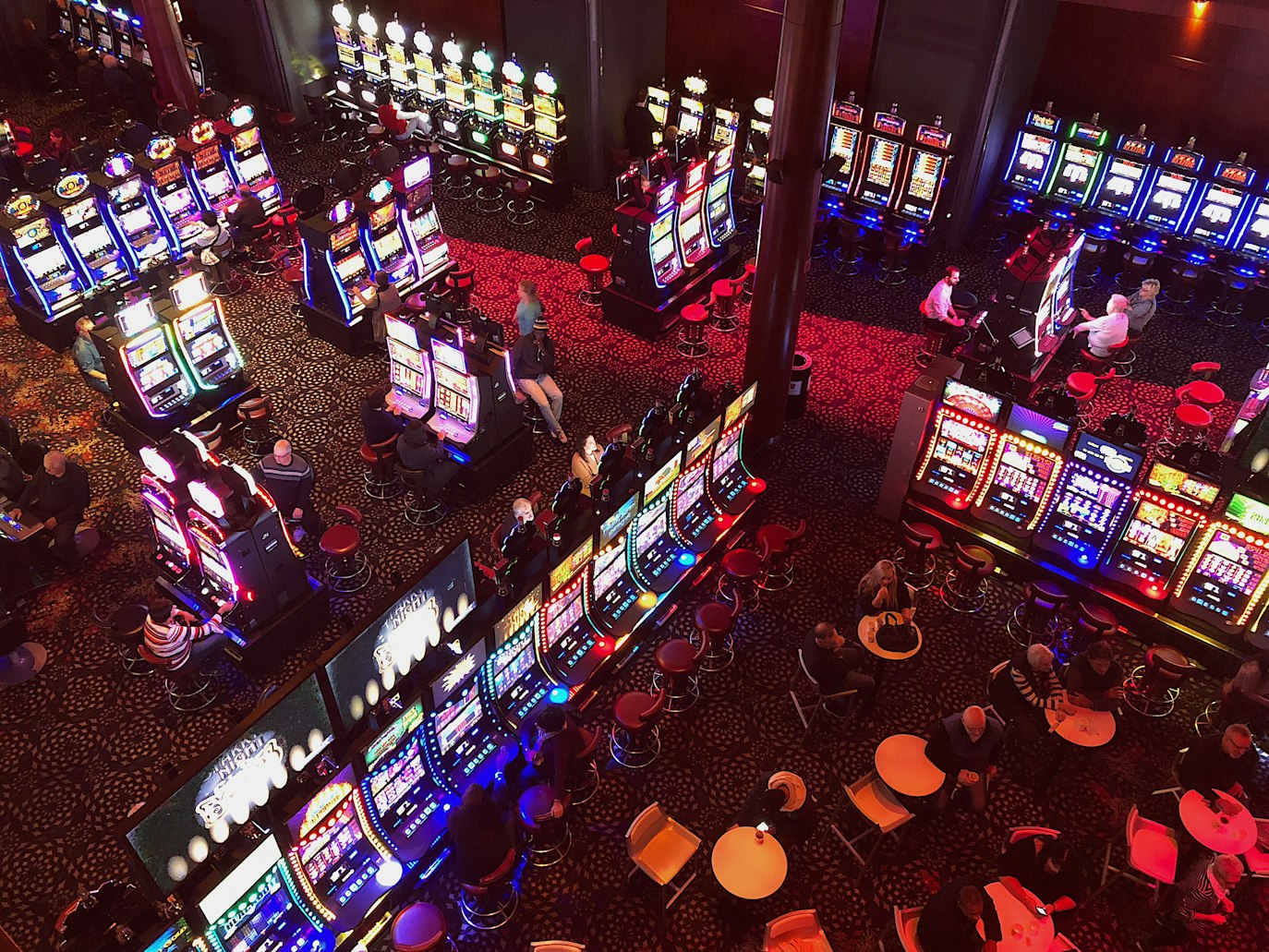
The evolution of gambling reflects humanity’s enduring fascination with chance, risk, and entertainment. From its ancient origins to the modern digital landscape, gambling has undergone substantial transformations, influenced by cultural, technological, and societal changes. As we look to the future, innovations such as virtual reality and blockchain technology are set to shape the next phase of gambling, promising even more engaging experiences for players.
Sites like Tower Rush Canada are at the forefront of this evolution, offering players an exhilarating gaming experience with high Return to Player (RTP) rates and innovative features. As gambling continues to adapt to contemporary desires and technological advancements, platforms dedicated to providing thrilling gameplay and strategic opportunities will likely play a key role in shaping the future of this age-old pastime. The journey of gambling is far from over, and its next chapters promise excitement and evolution for generations to come.
