
Understanding the psychological effects of gambling on decision-making processes
The Nature of Gambling and Its Allure
Gambling is often seen as a thrilling pastime, offering the promise of excitement and the potential for substantial rewards. This allure taps into deep psychological mechanisms, compelling individuals to make decisions that may not always align with rational thinking. The immediate gratification of winning, paired with the adrenaline rush of the game, often leads to impulsive decisions, overshadowing the potential long-term consequences. For those interested in gaming, there are options like the top 10 online pokies nz that provide a thrilling experience.
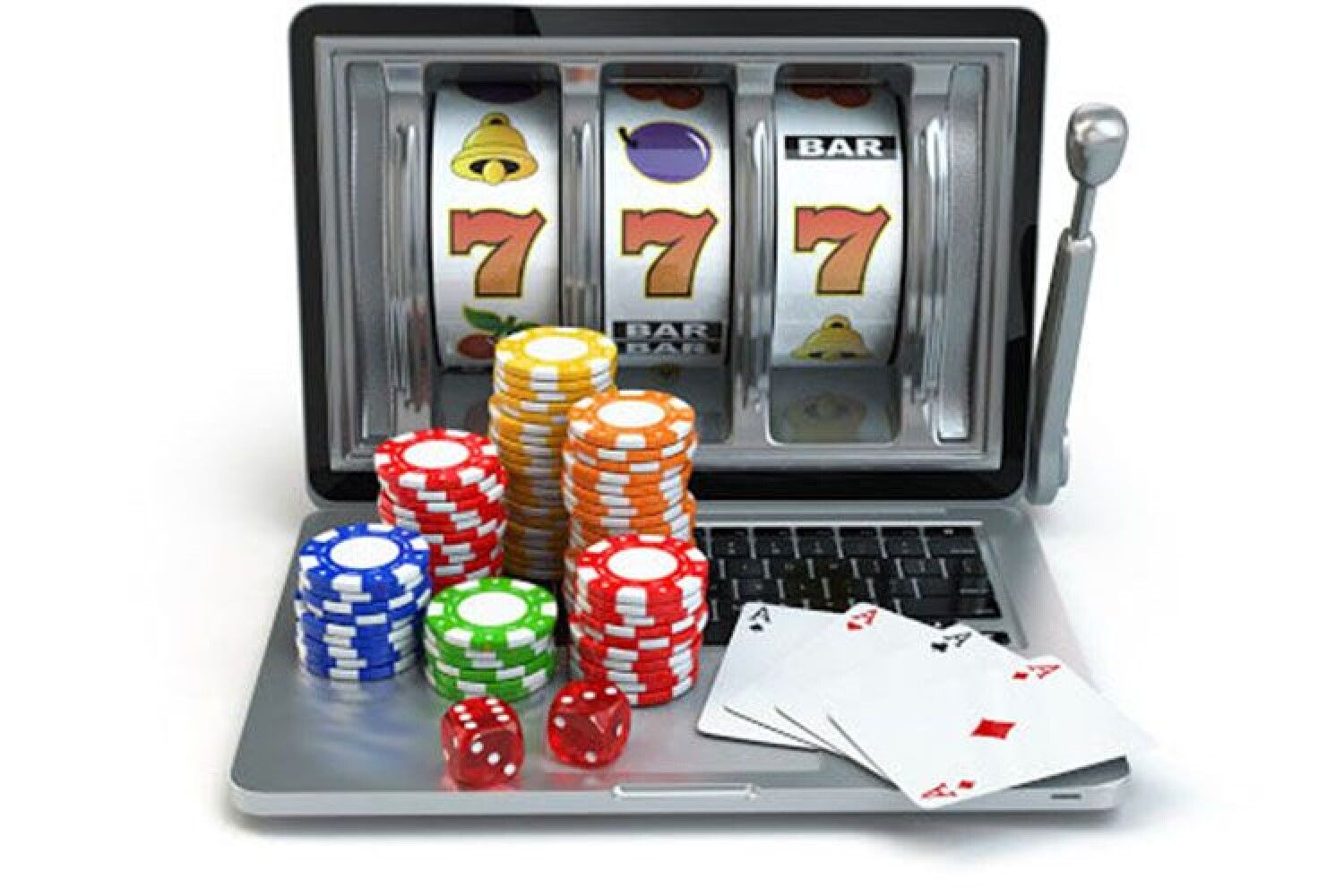
The thrill of risk-taking is particularly potent in gambling environments. Players can experience a euphoric rush, often referred to as «the gambler’s high.» This heightened emotional state can distort judgment, leading individuals to chase losses or continue playing when it would be more prudent to stop. Understanding these psychological effects is crucial in recognizing how gambling influences decision-making processes.
Cognitive Biases in Gambling
Cognitive biases play a significant role in how individuals approach gambling. One prevalent bias is the «illusion of control,» where players believe they can influence the outcome of games, despite the inherent randomness. This misconception can lead to overconfidence, prompting players to make increasingly risky decisions based on a false sense of mastery over the game.
Another common cognitive bias is the «sunk cost fallacy,» where players continue to gamble due to the investments they’ve already made, ignoring the rational choice to cut their losses. These biases highlight how human psychology can skew decision-making, particularly in high-stakes environments like casinos or online gaming platforms.
The Emotional Impact of Gambling
The emotional landscape of gambling can significantly affect decision-making. Many gamblers experience a range of emotions, including excitement, anxiety, and even depression. These feelings can cloud judgment and lead to poor decision-making. For instance, the excitement of a potential win can lead to impulsive bets, while anxiety about losing can cause players to make irrational decisions in an attempt to recoup losses.
Moreover, the emotional aftermath of gambling can be detrimental. Losses can lead to feelings of guilt and regret, while big wins may create unrealistic expectations for future outcomes. This emotional rollercoaster can make it difficult for individuals to approach gambling with a clear and rational mindset, further complicating their decision-making processes.
Strategies for Responsible Gambling
Understanding the psychological effects of gambling is essential for promoting responsible gaming habits. One effective strategy is setting clear limits on time and money spent on gambling activities. By establishing boundaries, individuals can mitigate the risks associated with impulsive decision-making driven by emotional highs and cognitive biases.
Additionally, self-awareness is a powerful tool. Gamblers should regularly assess their emotional state and decision-making patterns. By recognizing when they are experiencing heightened emotions or cognitive biases, players can make more informed choices and avoid falling into the traps that gambling can create.

Explore Responsible Gaming Options
For those looking to delve deeper into the world of gambling while being mindful of its psychological effects, several online platforms promote responsible gaming. These platforms provide resources to help players understand the risks and develop healthier gaming habits. They often include features that allow users to set limits on their play and access support resources if needed.
By prioritizing player safety and offering a secure gaming environment, these platforms ensure that gambling remains a form of entertainment rather than a destructive habit. Exploring responsible gaming options allows enthusiasts to enjoy the excitement of gambling while maintaining control over their decision-making processes.
